
Modular Construction
Engineering the Rise of Modular Mining
Three decades of lessons on modular delivery in Australian mining — how off-site fabrication is cutting schedules, lifting safety and reshaping project economics.

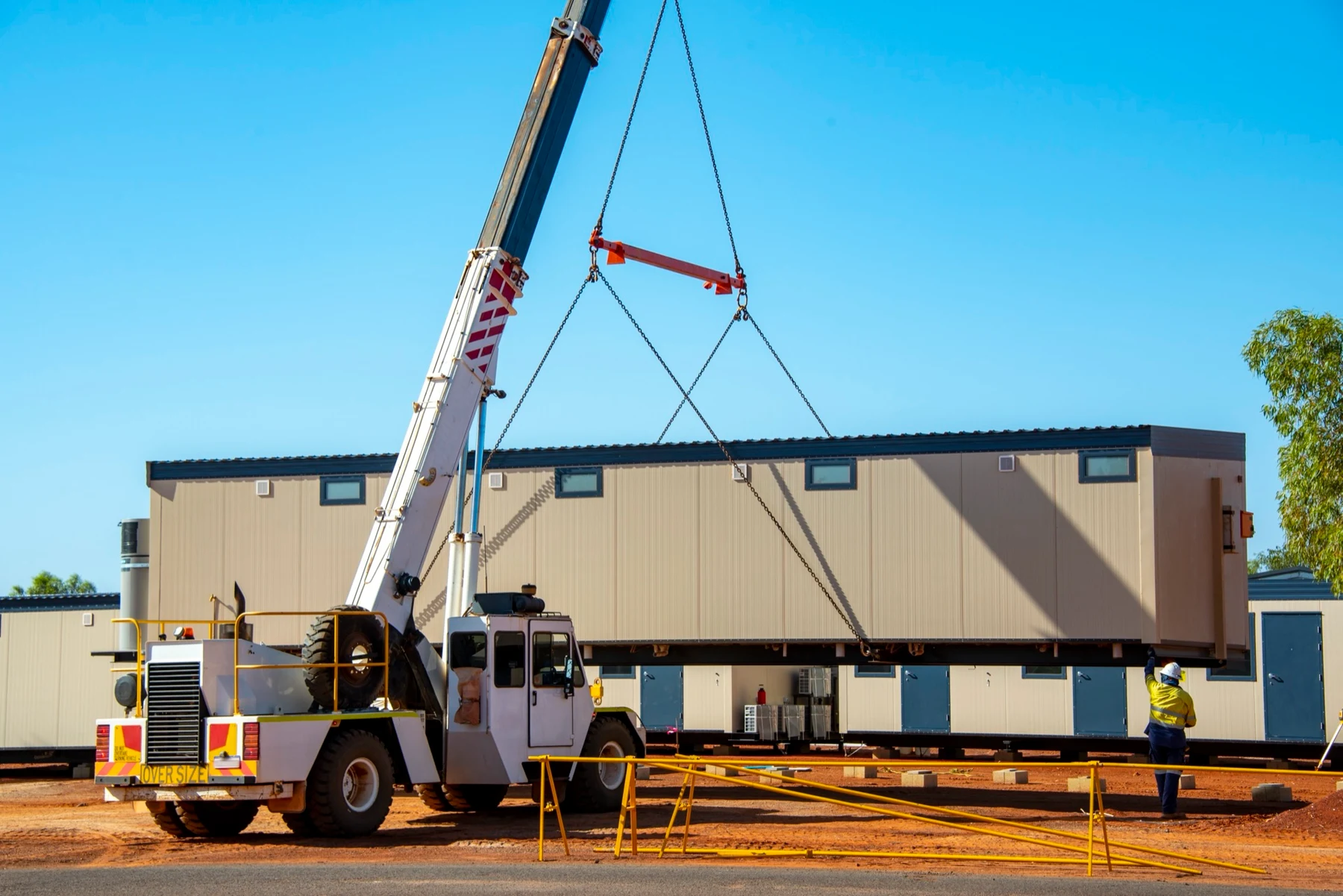
BG&E has supported the mining industry’s shift toward modular construction for over three decades. During this time, we’ve seen delivery evolve from traditional on-site methods to a more modern approach where major components are fabricated in controlled workshop environments and then transported to the site for efficient installation.
This paper shares key lessons we’ve learned about modular delivery, along with insights drawn from our experience across a range of projects.
Mining projects are increasingly challenged by remote locations, labour shortages, compressed schedules, and rising construction costs. Off-site fabrication has emerged as a practical response, offering improved safety and quality outcomes, reduced costs, and faster project delivery.
Over the course of our experience, modularisation has evolved rapidly to become central to project delivery across Australia’s resources sector. Today, infrastructure such as accommodation camps and process plant modules is increasingly fabricated off-site, pre-assembled, and transported for installation.
In the early days, off-site and particularly offshore fabrication could be inconsistent, with examples of poor quality, delays, and cost overruns. However, this has shifted significantly. Mature supply chains and improved quality controls now enable reliable, high-quality outcomes.
While modular delivery offers clear advantages — reduced on-site workforce requirements, improved safety, enhanced quality control and faster timelines — it also introduces challenges that must be carefully managed. Successful delivery relies on strong, coordinated engineering. Modules must be designed to accommodate transport constraints, comply with Australian standards (even when fabricated offshore), and withstand transport loads that can differ significantly from those in their final installed condition.
Efficient project delivery
One of the key advantages of a modular approach is its ability to significantly improve project efficiency, which we have consistently observed across projects.
Unlike traditional sequential construction, modular delivery enables parallel workstreams. While earthworks, foundations, and infrastructure progress on-site, accommodation, superstructures, and plant modules are fabricated off-site. Major components, such as belt filters and conveyor modules, can then be delivered and staged in laydown areas, ready for installation. Once critical path items like surge bins arrive, remaining components can be rapidly lifted into place. This approach shortens schedules and reduces overall delivery risk.
From our experience, this modular approach can significantly compress on-site construction durations and improve schedule certainty. By shifting work away from remote and weather-exposed environments, installation becomes faster, safer, and more predictable. In regions such as the Pilbara and Bowen Basin, this also reduces exposure to cyclone-related disruptions, which can significantly impact traditionally constructed projects.
Industry research suggests volumetric modular construction can reduce project timelines by up to 50%.
Modular construction increases the proportion of work completed in controlled environments, improving both productivity and quality. It also enables more efficient use of labour and materials. Industry research suggests that volumetric modular construction can reduce project timelines by up to 50%, largely due to the overlap between fabrication and on-site activities. While module transport — typically involving delivery windows of around 30 days from Asia to Australia — must be factored into planning, these timeframes are typically offset by broader schedule efficiencies.
From a cost perspective, off-site fabrication often delivers overall savings while shifting the cost profile rather than simply reducing it. Efficiencies gained through workshop-based labour and reduced on-site workforce requirements are balanced against increased transport and craneage costs.
Based on project experience, modular construction can deliver cost reductions of 10% to 30% for relevant scopes, although outcomes vary by project. As a result, it’s critical to assess these cost implications early in the study phase and confirm the benefits before committing to a modular delivery approach.
Construction Engineering and Temporary Works
One of the key lessons we’ve learned through delivering modular projects is the critical role of construction engineering and temporary works in achieving safe, efficient outcomes. This includes designing modules to withstand transport loads, as well as coordinating lift planning, temporary supports, and access arrangements throughout delivery and installation.
A strong example of this was the Jurong Port Suction Piles project, where suction piles were designed and fabricated in Europe before being transported and installed in Singapore. BG&E was engaged to deliver the construction engineering scope for the project. Each pile stood more than 25 metres tall and had a dressed weight exceeding 400 tonnes.
Our involvement included reviewing the structural design of the transportation frames and assessing stability based on the dressed weight and centre of gravity during lifting operations. We also designed temporary structural supports, verified pavement stresses against Port Authority limitations, and assessed jetty capacity to ensure it could safely support suction pile loads during lifting and transportation activities.
This type of construction engineering is essential to successful modular delivery, ensuring components can be safely transported, handled, and installed while maintaining compliance with project and operational requirements.
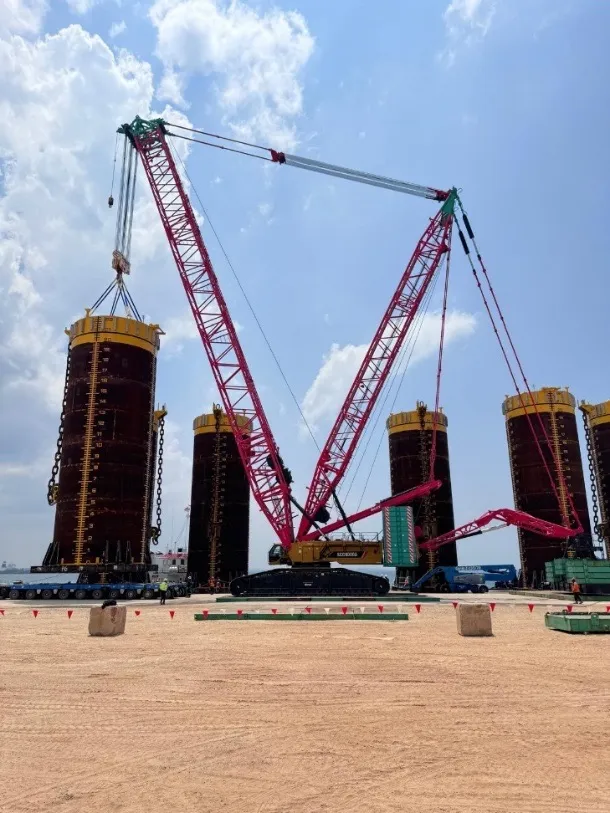
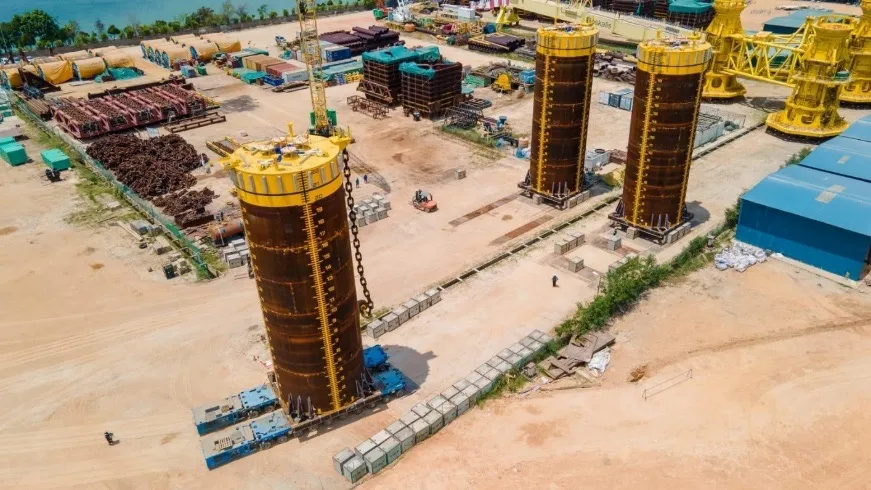
Left: Crawler crane lifting suction piles from barge. Right: SPMT transporting suction pile to storage area.
Safer construction, safer outcomes
Modular construction today delivers significant improvements in both safety and build quality.
In the early days of offshore modular fabrication, particularly in Asia, quality control could be inconsistent, often requiring extensive inspection to meet Australian standards. This has changed significantly. These workshops are now part of established global supply chains with clear quality requirements and robust processes. On recent projects, offshore fabrication quality has proven to match — and in many cases exceed — local Australian standards.
A key driver of this improvement is the shift of work into controlled manufacturing environments. This approach enables repeatable processes, access to skilled labour, structured quality management systems, and staged inspections. The result is more consistent outcomes and reduced defects and rework before components even reach the site.
Workshops also benefit from more stable and experienced workforces compared to traditional site-based construction. Combined with controlled conditions, this makes modular delivery inherently safer. In contrast, remote construction sites often rely on large, transient workforces operating in challenging environments. In addition to higher costs and lower productivity, industry data indicates that around 80% of injuries in the construction industry occur within a worker’s first six months on the job, highlighting the risks linked to constantly changing teams.
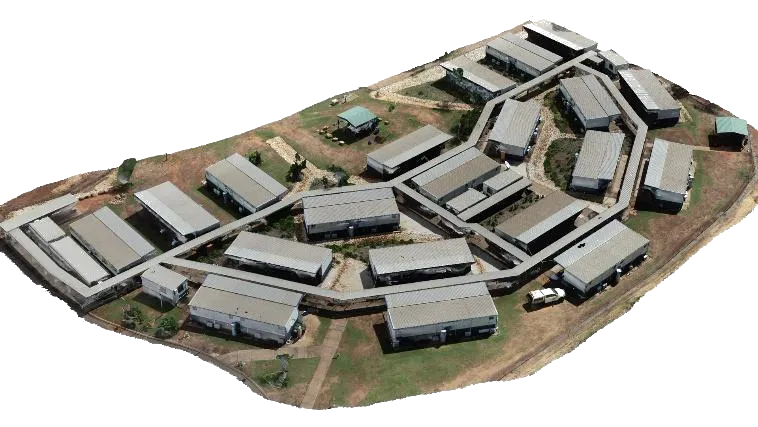
This shift is particularly evident in the delivery of mining accommodation. Today, camps are predominantly delivered through modular construction. Accommodation units (“dongas”) are transported to the site fully completed, with electrical and plumbing systems pre-installed for rapid connection. Even larger facilities, such as mess buildings, are often modularised, although some larger-scale structures may still be constructed on-site depending on project requirements. As a result, the focus of design has shifted, with greater emphasis placed on earthworks and foundation systems to support efficient installation of prefabricated modules.
Modern camps also reflect a significant step forward in the quality of life for the workforce. Where accommodation once consisted of basic facilities — shared amenities in permanent buildings or even temporary “tent cities” — today’s modular camps are architecturally designed environments with a high level of amenity. Individual rooms with ensuite bathrooms, improved layouts, and integrated design approaches contribute to a more comfortable and supportive living environment.
This evolution demonstrates how modular delivery is not only improving safety and quality outcomes but also enhancing the overall experience for the people who rely on these facilities every day.
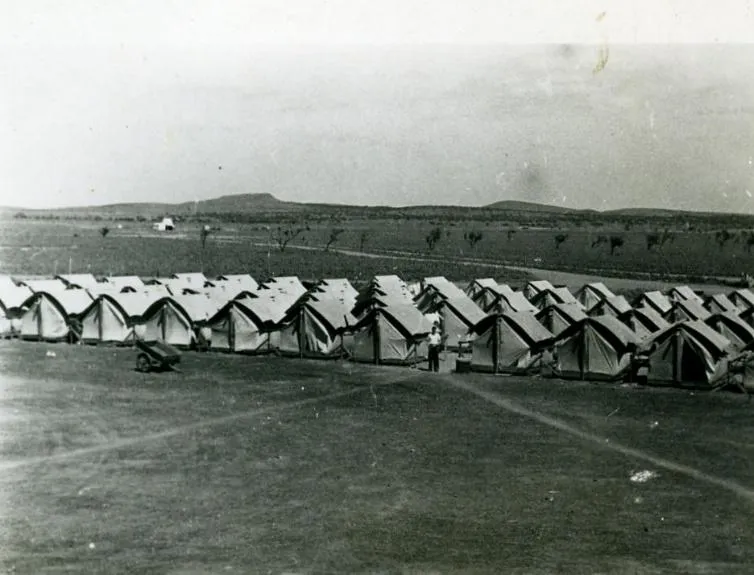
Left: Basic ‘tent cities’ of the past. Right: Modern ‘donga’ modular construction.
Reduced temporary works and disruption
Traditional construction in remote locations often relies on extensive temporary infrastructure — including construction camps, laydown areas, access roads, utilities, and large compounds — to support on-site activities. These temporary works add cost, complexity, and logistical burden, particularly in isolated regions.
Modular construction significantly reduces both the scale and duration of these requirements. With fewer personnel needed on site, camp sizes can be reduced, and the demand for supporting infrastructure is minimised. This not only lowers overall project costs but also reduces disruption to the site and the surrounding environment.
Engineering the modular interface
While modules may be fabricated offshore or in specialised facilities, their success ultimately depends on how effectively they integrate with site conditions.
From our experience, transport logistics play a critical role and must be considered early in the design process. Transport corridors need to be assessed to ensure modules can be safely delivered, including confirming that dimensions fit within road envelopes and that weights comply with bridge and infrastructure limits.
These constraints directly influence module design and add complexity to the engineering process, but are critical to successful delivery.
Our role is to design and coordinate the interface between prefabricated modules and site infrastructure. This includes foundation design to accommodate modular loads and tolerances, as well as earthworks, ground improvement, and structural design for supporting infrastructure.
By addressing these factors early, modules can be integrated seamlessly, reducing installation risk and supporting efficient, predictable project delivery.
Engineering modular success
Modular construction is more than a trend; it’s a strategic response to the economic, safety, and logistical challenges facing modern mining projects. From our experience, it has been successfully applied across all Australian states and a range of commodities.
When supported by strong planning and engineering, modular approaches offer clear benefits: faster delivery, improved safety, higher build quality, and reduced on-site disruption. However, achieving these outcomes depends on seamless integration between off-site fabrication and on-site execution. Close coordination across all project elements — from logistics to foundations — is essential to deliver safe, efficient, and high-performing outcomes.
Start the conversation
We work closely with project teams to ensure modular systems integrate effectively with site infrastructure, from earthworks and foundations through to logistics and installation planning. Let’s collaborate to explore and implement a modular approach that delivers efficient, well-coordinated outcomes.